
Cedar fences that stay straight
A wood fence fails at the posts first. We start there, then build the style you want on top.
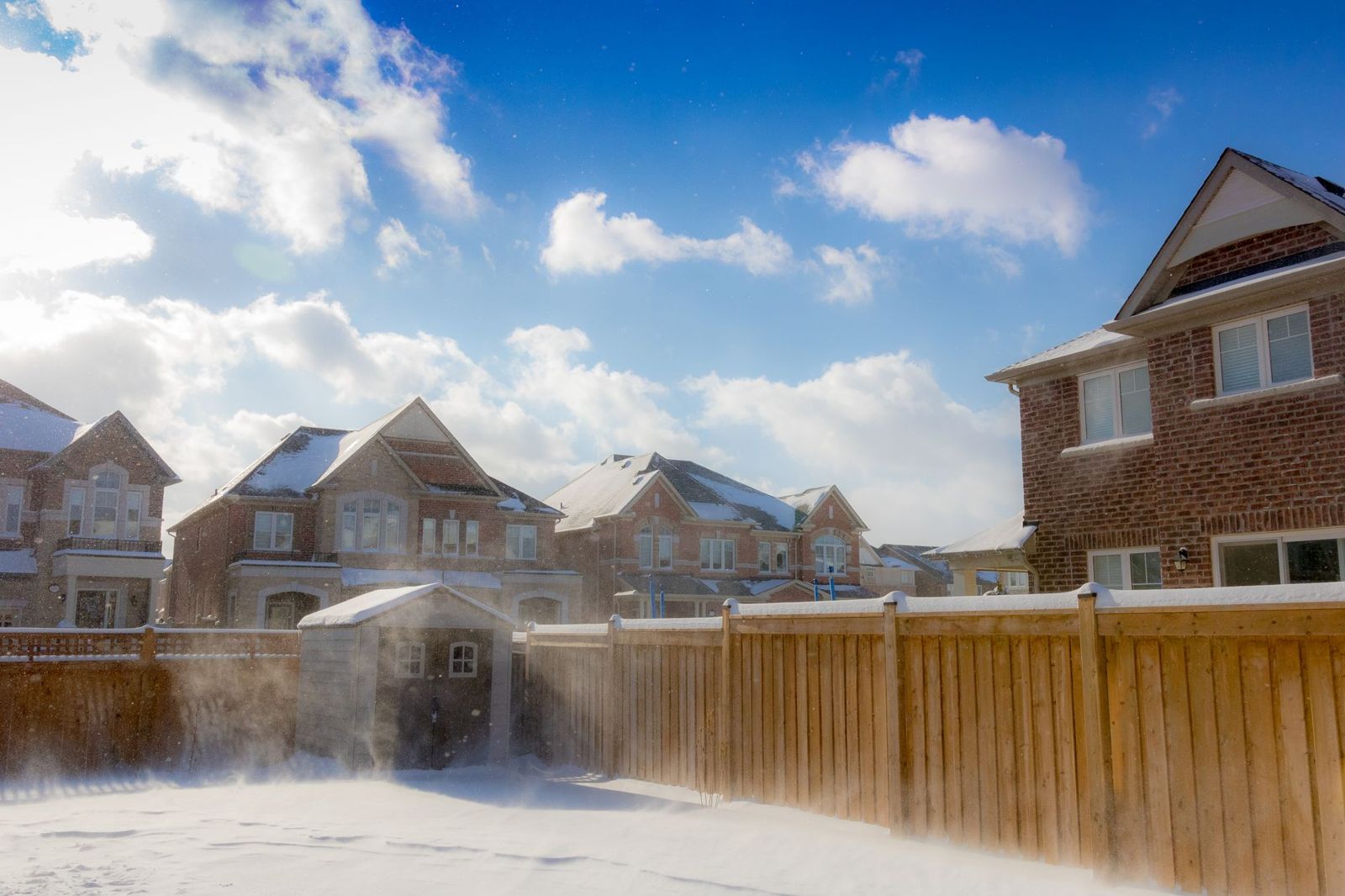
F.1 / StylesFence styles
Privacy
Tight vertical boards, no gaps. The standard back-yard fence. Board-on-board overlap keeps it closed as wood shrinks.
Horizontal slat
Boards run sideways with small even gaps. Modern look, pairs well with steel posts or a metal gate.
Good-neighbor
Boards alternate sides so both yards get the finished face. Handy on a shared line.
Shadowbox
Staggered boards on both sides. Lets air through but blocks straight-on views.
Picket
Short and spaced. Marks the front yard without walling it off.
Post and rail
Open rails for edges, gardens and larger lots. Add wire mesh to keep a dog in.
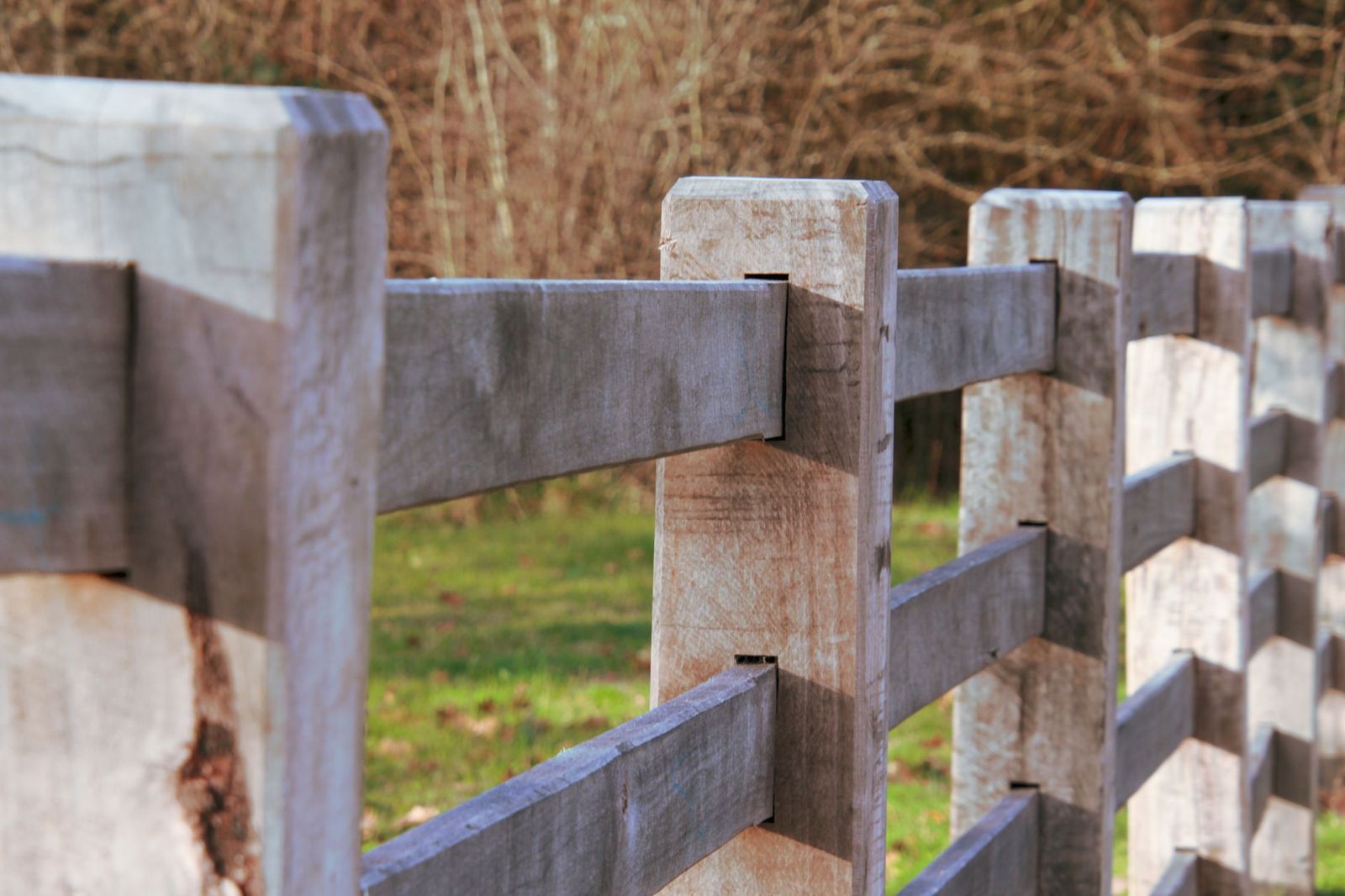
F.2 / StructurePosts in wet soil
Seattle soil stays wet for months. A post sitting in water rots at the ground line, and then the fence leans. Here’s how we deal with it:
- Posts set deep enough for the fence height and the soil we find.
- Gravel at the base so water drains away from the post end.
- Concrete crowned above grade so water sheds off, not into, the hole.
- Heavier posts or steel posts at gates and at long, exposed runs.
Before any digging, underground utilities get located. Where the property line is unclear, a survey comes first.
F.3 / CareFinish and care
Cedar can be left to weather naturally. It turns silver and stays sound for years. If you want to keep the color, a penetrating stain every few years does it. Keep sprinklers and soil off the bottom of the boards; that’s where wood fences give out first.
F.4 / PlanningPlanning the fence line
Before a single post goes in, we settle a few things with you:
- Where the line is. Old fences aren’t always on the property line. If it’s unclear, a survey is cheaper than moving a fence.
- Height and style for each run. The street side and the back line don’t have to match.
- Gates. Where they go, how wide, and which way they swing. See the gate guide.
- Neighbors. On a shared line, a quick conversation first saves trouble later.
- Trees and roots. Posts get placed around big roots rather than through them.
Cedar is our usual board. Pressure-treated posts under cedar boards are a common pairing, because the post is the part in the ground.
F.5 / QuestionsQuestions we get
Can you replace a few damaged sections?
Yes, as long as the posts on either side are solid. Leaning posts usually mean the section and its posts get replaced together.
Which side of the fence faces the neighbor?
Often the finished side faces out, but local rules and neighbor agreements vary. A good-neighbor style avoids the question entirely.
Will a new cedar fence shrink?
A little. Boards dry and narrow slightly after install, which is why privacy fences often use overlapping boards. Small gaps on a single-layer fence are normal.
Do you haul away the old fence?
Removal and disposal of an existing fence can be included. It’s listed on the estimate so you know.
F.6 / RelatedKeep reading
Price a cedar fence
Send the rough length and style. We’ll walk the line and write it up.