
The gate guide
A fence stands still. A gate works for a living. It swings, slams, freezes, gets leaned on and gets forgotten open. Here’s how to get one that still latches years from now.
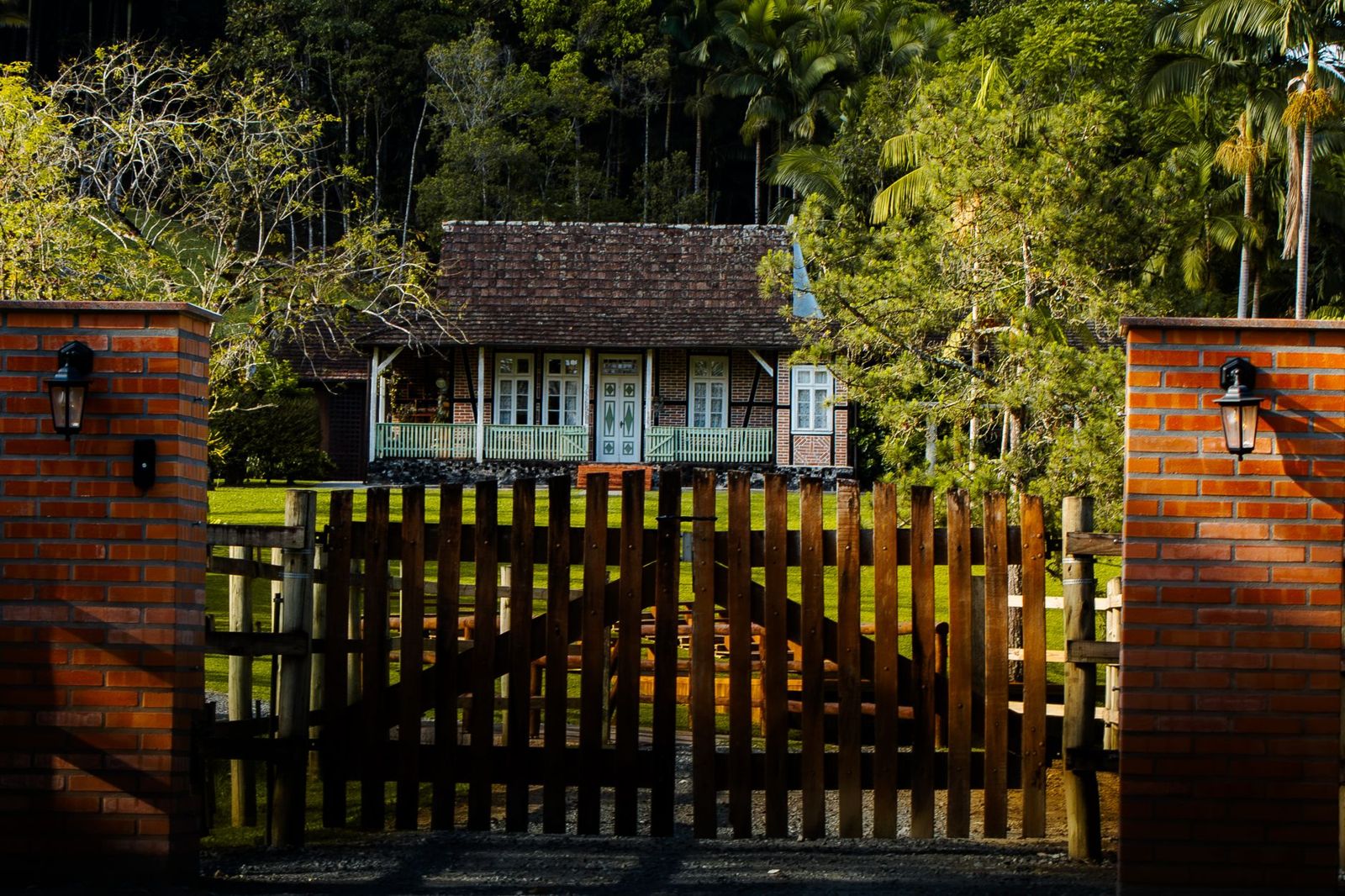
G.1 / TypeWalk gates
The single gate at the side of the house or the front path. It gets used more than anything else you’ll build, so it’s worth doing right.
- Width: wide enough for what actually goes through it. Wheelbarrow, mower, garbage bins. Measure the widest one.
- Swing: usually into the yard, away from the sidewalk. Check it clears the slope of the ground as it opens.
- Closing: self-closing hinges for anyone with a dog or a toddler.
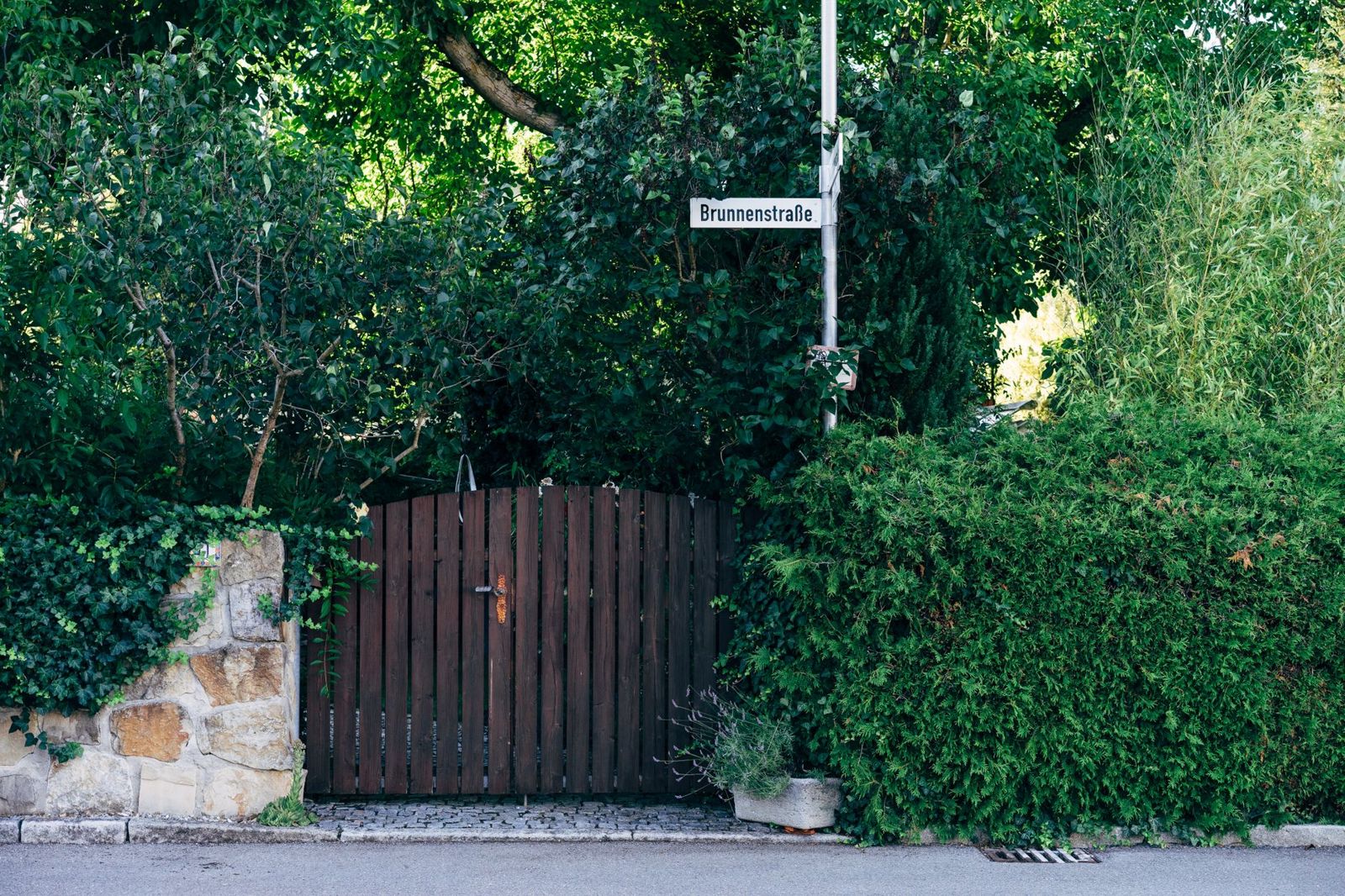
G.2 / TypeDouble drive gates
Two leaves that meet in the middle, for a driveway or a wide yard entry. Each leaf is shorter than one big gate would be, which makes sag easier to control.
They need a way to hold the closed leaf in place: a drop rod into a sleeve in the ground, and a latch or bar where the leaves meet. A gate stop keeps them from swinging past closed in the wind.
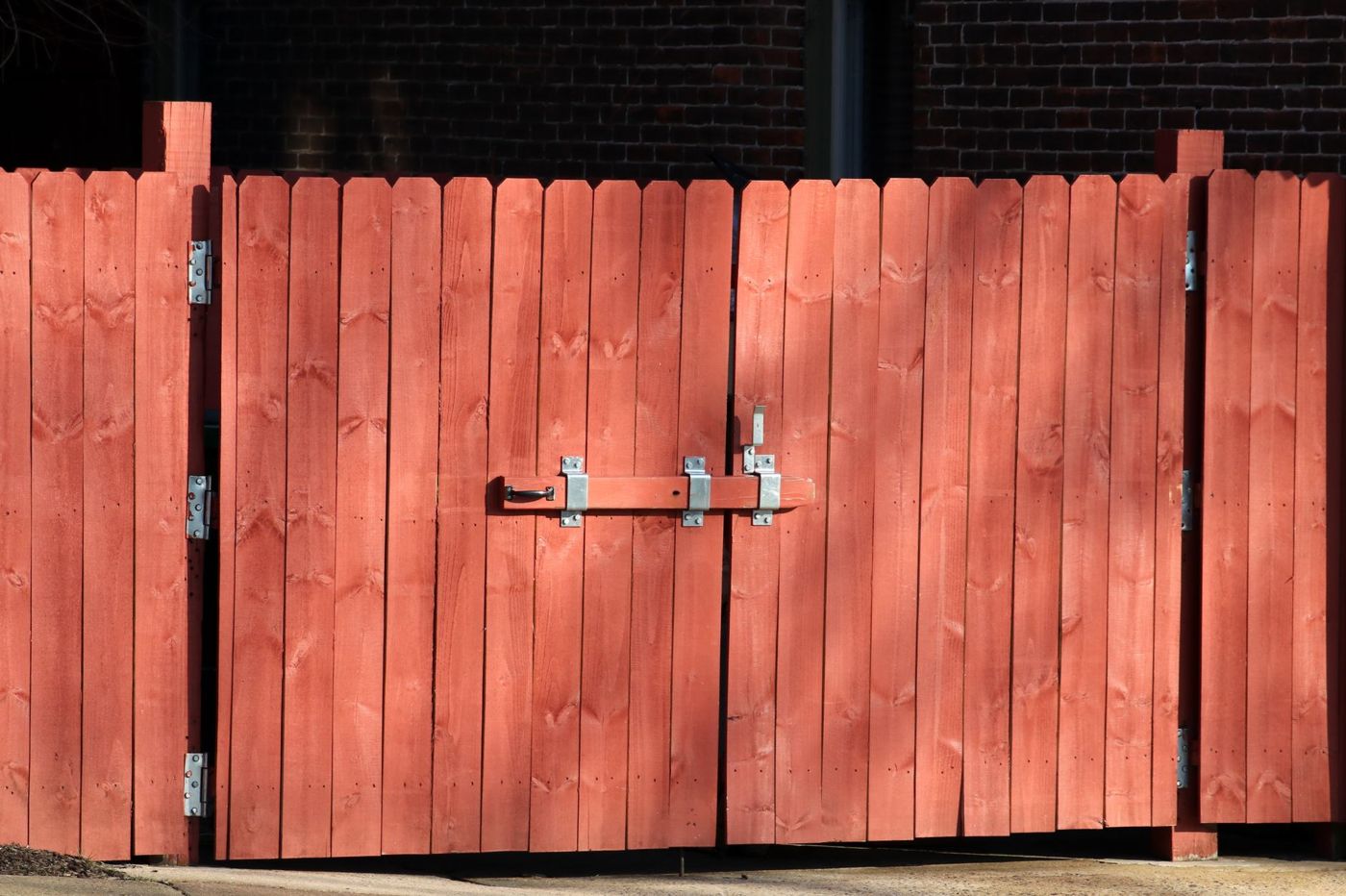
G.3 / TypeSliding gates
A sliding gate rolls sideways along the fence line instead of swinging. It suits driveways that slope up toward the house, or where a swinging gate would hit a parked car.
- Needs clear, level-ish space beside the opening to slide into.
- Track-style gates need a clean track. Leaves and grit get in the way.
- Cantilever styles hang off rollers and skip the ground track entirely.
You can see one in the hero image on our home page: a flat-panel slider next to a slat fence.
G.4 / BuildWood and steel hybrids
Wood gates sag because wood moves and joints loosen. A welded steel frame doesn’t. Put cedar boards inside a steel frame and you get the look of wood with a frame that stays square.
This is the build the company name comes from, and it’s what we recommend for any gate wider than a standard walk gate or any gate that gets heavy use.
Steel frame, powder-coated. Cedar infill, vertical or horizontal. Steel or heavy wood hinge post. Adjustable hinges.
G.5 / HardwareHardware and latches
Hinges
Heavy strap or adjustable hinges, sized for the gate’s weight. Adjustable ones let you fix small drops later with a wrench.
Latches
Gravity latches close on their own. Lockable latches for side yards. Two-sided latches so you can open it from either side.
Drop rods
Hold one leaf of a double gate down and in place. Needs a sleeve set in the ground.
Closers & stops
Spring hinges or closers pull a gate shut. A stop keeps it from over-swinging and straining the hinges.
We use hot-dipped galvanized, stainless or coated hardware. Anything bare will streak rust down the wood within a season here. If a gate must meet specific rules, for example around a pool, we check those requirements before choosing hardware.
G.6 / StructureHow to stop a gate from sagging
Almost every gate complaint is a sag complaint. The latch side drops, it drags on the ground, and it won’t close. Here’s where sag comes from and what we do about it:
- The hinge post moves. It takes all the leverage. We set it deeper, heavier, or in steel.
- The frame racks. On a wood gate, the diagonal brace runs from the bottom hinge corner up to the top latch corner, so it pushes up. Installed the other way, it does nothing.
- The gate is too wide. Past a certain width, split it into two leaves or go to a steel frame.
- Hinges are too light. Undersized hinges and short screws pull out of wet wood.
Anti-sag kits with a cable and turnbuckle can rescue an existing gate. They’re a fix, not a design.
G.7 / DesignMatching the gate to the fence
A gate can blend in or stand out. Both work. What doesn’t work is an accident.
- Blend: same boards, same spacing, same top line as the fence. The gate almost disappears.
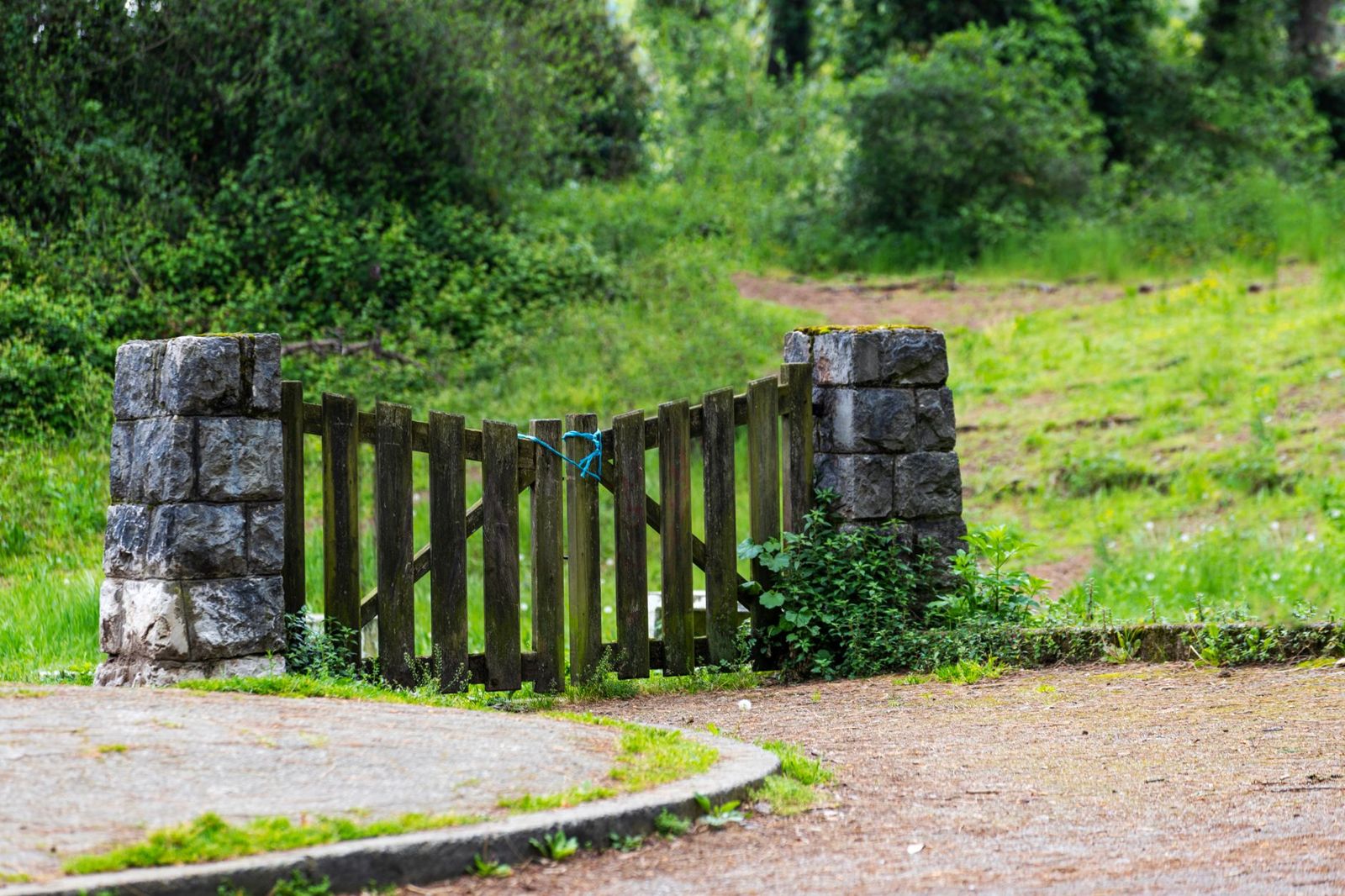
- Frame it: heavier posts or masonry piers on each side. The gate reads as an entry.
- Contrast: a steel gate in a cedar fence, or a painted gate in a natural one.
G.8 / QuestionsQuestions we get
My gate drags. Can it be fixed or does it need replacing?
Often it can be fixed: re-set or reinforce the hinge post, swap hinges, add a proper brace. If the frame itself is rotted, replacement makes more sense.
Can you build a gate for a fence someone else installed?
Usually. Send photos or we’ll look at the estimate. The post it hangs on gets checked first.
How wide can a single gate be?
It depends on the frame material and weight. Wood gates stay narrower; steel frames can go wider. We’ll recommend single or double leaves for your opening.
Can a gate be locked from both sides?
Yes. Two-sided lockable latches and keyed hardware are available for side-yard and alley gates.
Do you install gate openers?
Tell us what you’re planning at the estimate. We’ll talk through what the gate needs so it can work with an opener.
G.9 / RelatedKeep reading
Talk gates with us
New gate, new fence, or a gate that won’t close. Describe it on the contact form and we’ll start there.