
Metal fences: chain link to ornamental
Steel and aluminum last, stay straight and need little care. The question is how much you want to see through them.
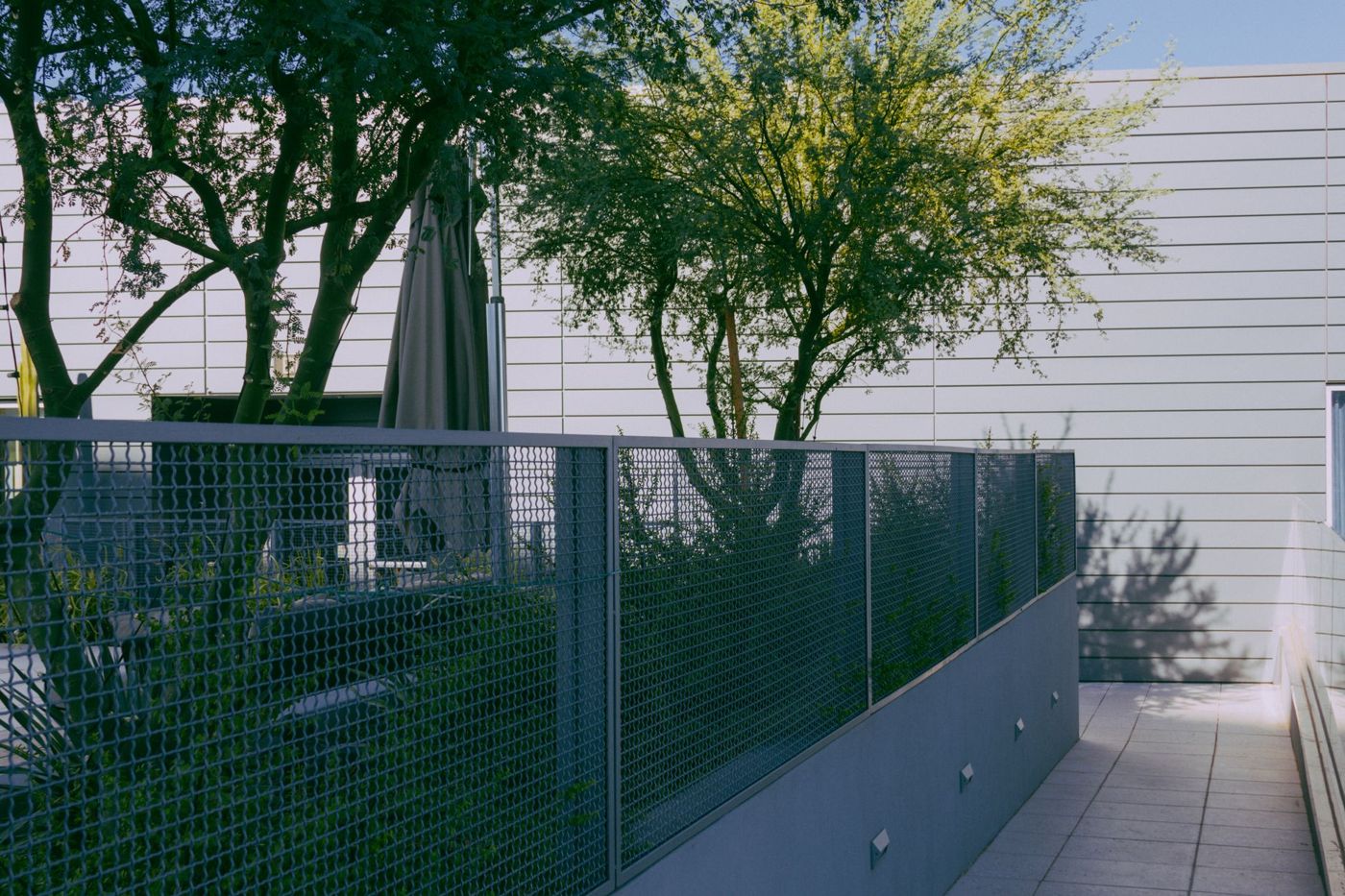
M.1 / WireChain link
The practical fence. Galvanized or vinyl-coated wire on steel posts. It keeps dogs and kids in, marks the line, and asks almost nothing of you afterward.
- Black or green coated wire disappears into planting better than bare galvanized.
- Privacy slats can be added, though they change the look a lot.
- Good fit for side yards, dog runs, and long back property lines.

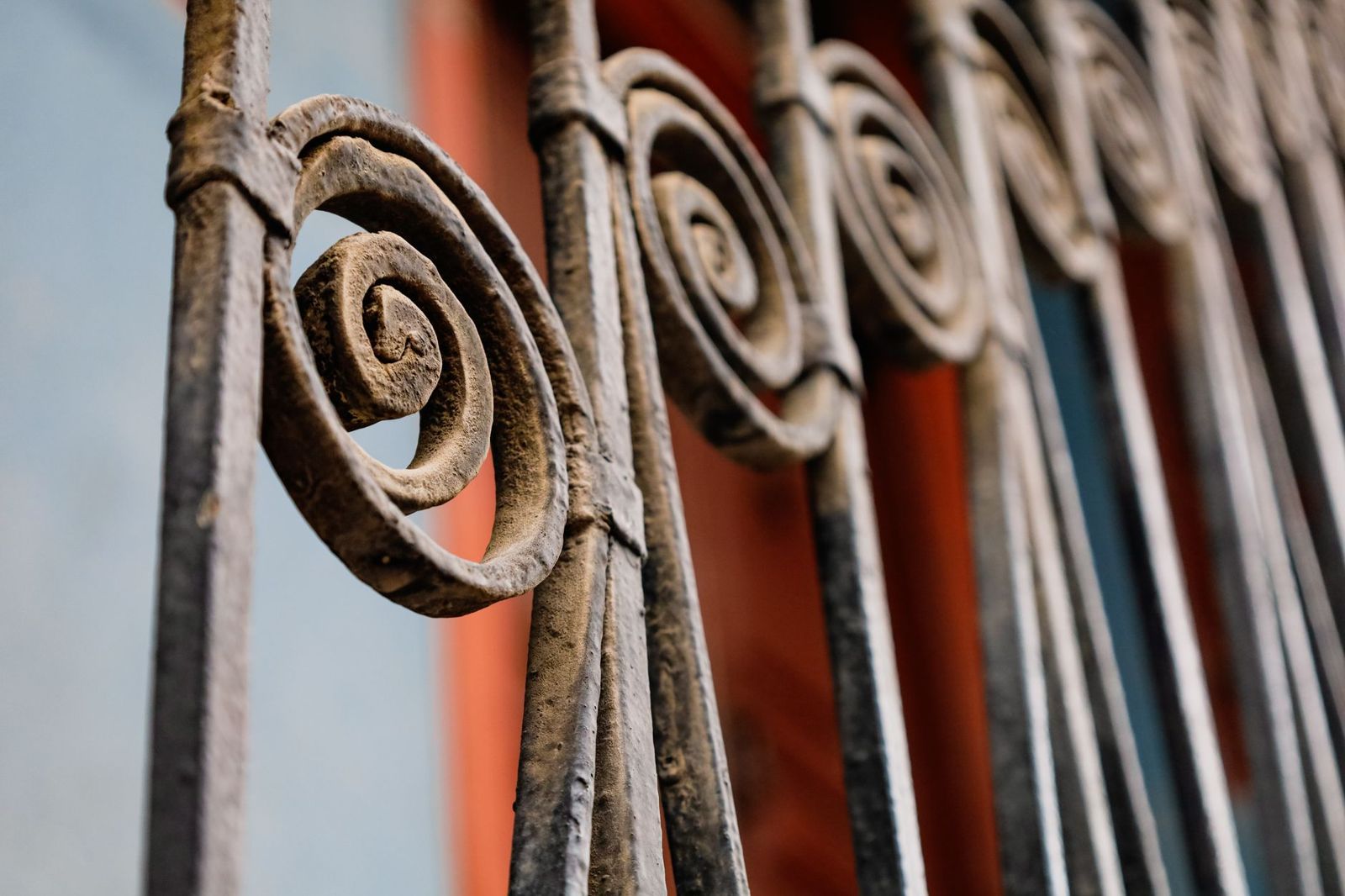
M.2 / SteelOrnamental steel
Pickets, scrolls, and finials. Heavy and strong. Suits older houses and front yards where you want a clear, formal edge without blocking the view. It’s also the material of choice for gates that take a beating.
Steel lasts when its coating is intact. We look at how it’s finished, and we show you where touch-ups will eventually be needed.
M.3 / AluminumAluminum
Looks like ornamental steel from the street, weighs less, and doesn’t rust. Powder-coated panels go up fast and handle slopes well with racked sections. It’s our usual recommendation for a low-upkeep see-through fence in this climate.
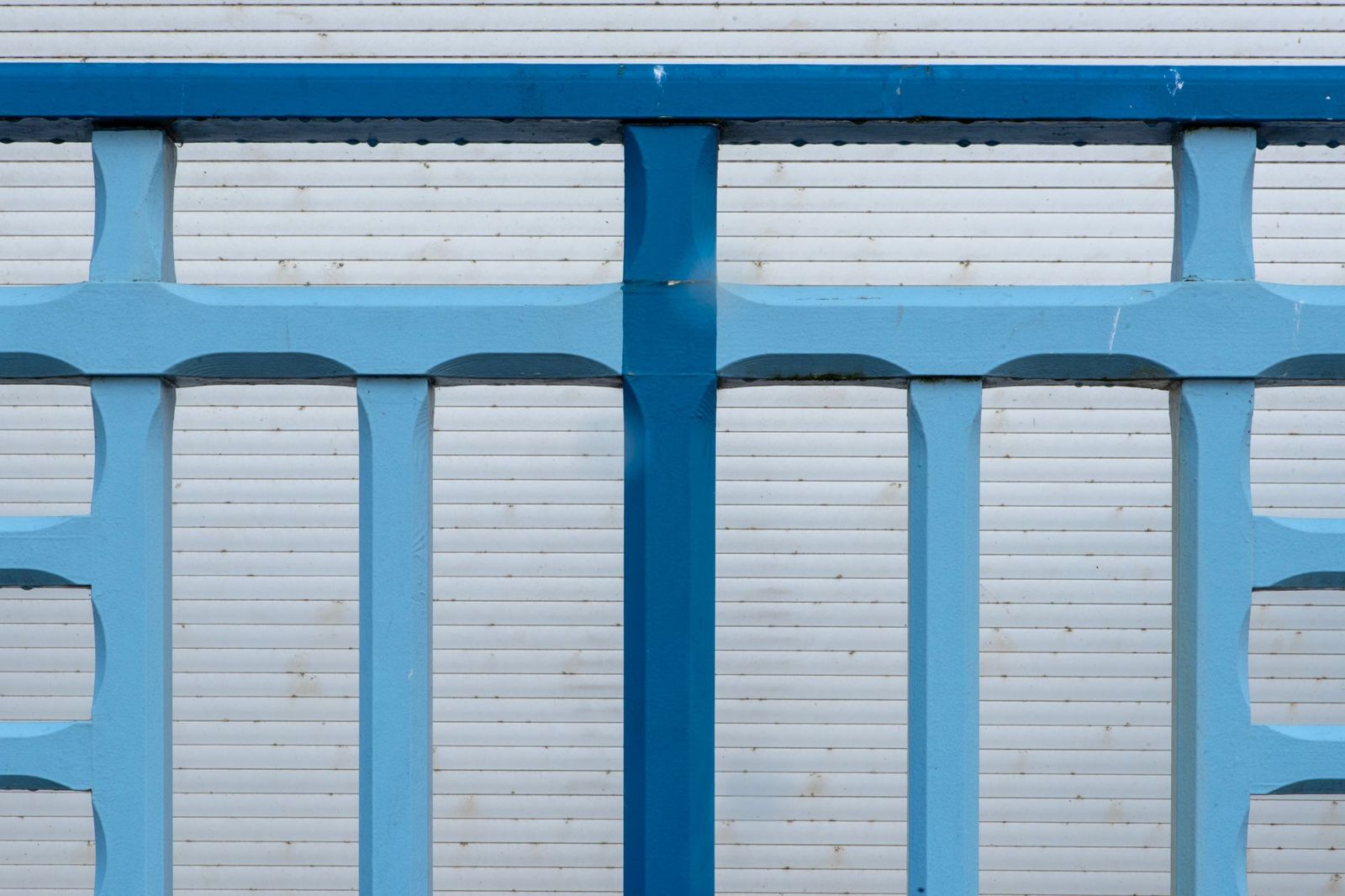
M.4 / HybridWood + metal
Steel posts and frames with cedar infill. You get warm wood where people look and straight, rot-proof structure where it matters. Horizontal cedar in a black steel frame is a look we get asked about often. Matching gates are covered in the gate guide.
M.5 / DecisionChoosing between them
Chain link
Long runs, dogs, back lines nobody looks at. Pick coated wire.
Ornamental steel
Formal edge, strong, classic detailing.
Aluminum
The clean modern default. No rust, light panels.
Steel + cedar
Warm infill, straight structure. Most custom of the four.
Slopes, walls and posts
Metal posts are set in concrete with the same drainage care as wood posts. On a retaining wall or low masonry wall, panels can mount on the wall with base plates, like the reference photo at the top of this page. On steep ground, we decide between stepped and racked panels with you, since they look quite different.
M.6 / QuestionsQuestions we get
Does steel fencing rust here?
Uncoated steel does. Properly coated steel holds up well, and scratches should be touched up. Aluminum doesn’t rust at all.
Can chain link go on a slope?
Yes. Chain link follows the ground well, which is one reason it suits hilly back lines. Rigid panels need to be stepped or racked, which we plan per slope.
Is aluminum strong enough for a front-yard fence?
For a boundary and a clean look, yes. It’s lighter than steel, so for heavy-duty security or a large driveway gate, steel is usually the better material.
Can you add a gate to an existing metal fence?
Usually. The post the gate hangs on often needs upgrading. Details on the gates page.
M.7 / RelatedKeep reading
Price a metal fence
Chain link for the dog run or steel for the front. Tell us which, we’ll measure.